Projects
Discover our ongoing projects and initiatives aimed at improving the community and making a positive impact in Haifa
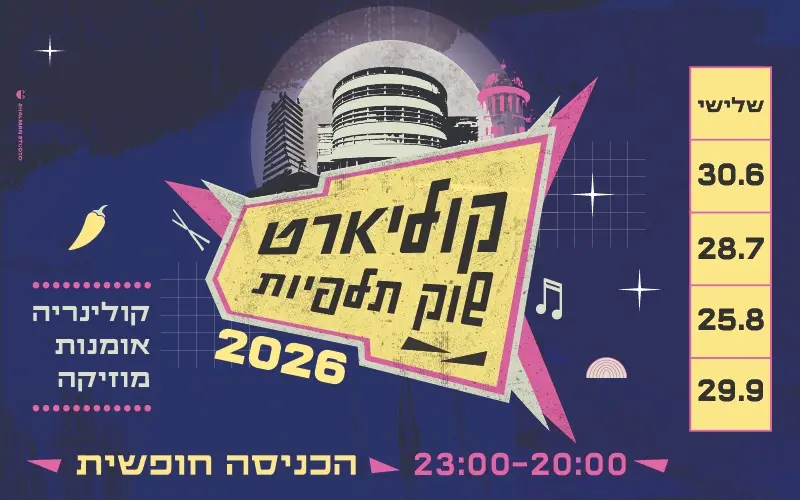
"Young People for Haifa" and See Garden join the "KuliArt" city festival at the Talpiot Market
On Tuesday, July 28, 2026, the NGO "Young People for Haifa" and the See Garden space will be part of the "KuliArt" festival organized by the Haifa Municipality. This is a series of cultural evenings combining gastronomy, art, and music in the very heart of the Talpiot Market. The upcoming evening will be dedicated to the holiday of Tu B'Av. For a few hours, the market will transform into a vibrant urban space where restaurants, studios, shops, and community venues will host concerts, parties, exhibitions, workshops, tours, and tastings. Vinyl Set in the See Garden Secret Garden As part of the official "KuliArt" program, the See Garden space and "Young People for Haifa" are hosting TAKT Records with a special vinyl program that will start in the afternoon and run until late evening. An atmosphere of a secret garden among flowers and greenery awaits you at: 4 HaRav Ohana Street. Line-up: 16:00–18:00 - Vlada Cox 18:00–20:00 - Lia Spadini 20:00–23:00 - Leiba b2b UNINC A community co-working space featuring high-speed internet and comfortable setups for work, creativity, and meetings is also available here. This is a great opportunity to get acquainted with a space that brings together young Haifa residents, artists, entrepreneurs, new immigrants, remote workers, and community activists all year round. The Whole Market as One Big Cultural Venue According to the Haifa Municipality program, live performances, DJ sets, karaoke, street performances, video art, theater productions, exhibitions, workshops, and tours will take place simultaneously across various corners of the market. The schedule includes performances by local musicians, electronic music, meet-and-greets with artists and authors, workshops on brewing, winemaking, sourdough bread baking, and natural cosmetics, as well as gastronomic and historical tours of the market. Local restaurants and venues will prepare special dishes, cocktails, tastings, and unique offers created specifically for "KuliArt". Note: Admission to most events is free. Some workshops and tours require pre-registration or a fee. The full program is published on the Haifa Municipality website. Supporting the Culture and Community of Talpiot Market Our participation in the city festival is part of the shared mission of "Young People for Haifa" and the See Garden project: to turn Talpiot Market into a thriving hub for culture, creativity, and community. True urban renewal is not just about renovated buildings and fresh facades. It begins where opportunities emerge for artists, young entrepreneurs, local initiatives, and the communities that shape the neighborhood from within every day. We want people to come to Talpiot Market not only for shopping and food, but also for the vibe, connections, creativity, and a sense of belonging to the city. The "KuliArt" festival takes place on Tuesdays: June 30, July 28, August 25, and September 29, 2026. We are thrilled to be part of the city's program and to open our space to all residents and guests of Haifa. Event Details 📍 Location: See Garden, 4 HaRav Ohana St., Talpiot Market, Haifa 📅 Date: Tuesday, July 28, 2026 🕓 Time: 16:00 to 23:00 🎟️ Admission: Free (pre-registration or a separate fee required for select tours and workshops) Come listen to great music, rediscover the Talpiot Market, and connect with a community that grows here year-round. Youth creates community - community creates the future.
COMMUNITY - a new urban community project in Haifa by the NGO “Young People for Haifa”
Haifa is changing. And together with it, a new generation of the city is emerging - young professionals, entrepreneurs, students, new immigrants, and people who want not just to live in Haifa, but to become part of a vibrant urban community. That is why the NGO “Young People for Haifa” is launching COMMUNITY - a modern urban project that brings together people, education, culture, networking, and new city initiatives into one unified community platform. COMMUNITY is a space for connections, ideas, communication, and growth. It is a series of regular lectures, forums, interactive events, cultural gatherings, and community meetups that are shaping a new urban environment for young people in Haifa. We are creating a place where people can: meet new people, build valuable connections, gain practical knowledge, find like-minded individuals, and feel part of a modern and dynamic urban life. The project is aimed at young residents of Haifa, students, professionals, entrepreneurs, the creative community, and new immigrants who are looking not only to work and study, but also to find their circle, their energy, and their place in the city. All COMMUNITY events operate on a donation-based model. The funds raised are used to support the development of the NGO “Young People for Haifa,” launch new social and urban initiatives, and further expand the project’s community space. COMMUNITY includes several key directions: COMMUNITY Talks Open meetings with experts, entrepreneurs, public figures, and professionals from various industries. We discuss careers, finance, psychology, business, life in Israel, self-development, urban culture, and the modern challenges facing today’s young generation. COMMUNITY Forums Large-scale thematic forums and educational marathons that combine lectures, discussions, and live networking around актуальные social, professional, and everyday topics. COMMUNITY Interactive Informal events designed for communication and new connections: quizzes, game nights, community meetups, movie screenings, karaoke nights, cultural events, and shared city activities. For us, COMMUNITY is much more than just a series of events. It is an attempt to create a new urban atmosphere in Haifa - one where young people feel part of something alive, modern, and real. It is people. It is connections. It is the energy of the city. It is Haifa’s new urban community. COMMUNITY Everything starts with you.
Global Network - Combating Cyberbullying as Part of a Safe Community Strategy
The non-profit organization "Young People for Haifa", led by Haifa City Council member Kirill Karetnik, works to strengthen the city’s teenagers and young people - not only in physical spaces, but also in the digital environment. In an era when much of teenagers’ communication takes place on Telegram and social media, our responsibility cannot end at the edge of the screen. The Global Network was created as a practical response to the spread of cyberbullying, provocations, harassment, and the lack of moderation in various Telegram channels. The project is led and managed by Dani Steinberg, who is responsible for operational management, channel development, and community coordination. Rather than accepting an aggressive digital environment, an alternative was built - a structured online space with clear rules, responsible administration, and control mechanisms. Today, the network unites around 20 Telegram channels with a total audience of more than 2,500 teenagers from different cities. A team of administrators and moderators, under the leadership of project manager Dani Steinberg, ensures compliance with the rules, responds to participants’ requests, and promptly identifies cases of bullying or conflict escalation. The project is not limited to the online space. During the course of the work, cases of bullying within groups were identified that, in some situations, could have escalated into physical conflicts outside the network. Through monitoring and analysis of activity within the channels, the project team cooperated with relevant authorities - school administrations, the Haifa Education Department, the Community Safety Department, and, when necessary, the Israel Police Forces. Thanks to timely action and coordination with official bodies, it was possible to prevent conflict escalation, stop harassment, and ensure responsible intervention before situations spiraled out of control. For us, the Global Network is not just about content moderation. It is an educational and civic concept: fostering a culture of respectful communication, establishing clear boundaries, and creating a sense of safety for teenagers. The project directly aligns with the vision of "Young People for Haifa" - building a safer city where teenagers feel protected both on the streets and in schools, as well as in the digital space. A strong community begins with a young generation that knows there is a responsible support system behind them. Learn more: https://t.me/HubAnon
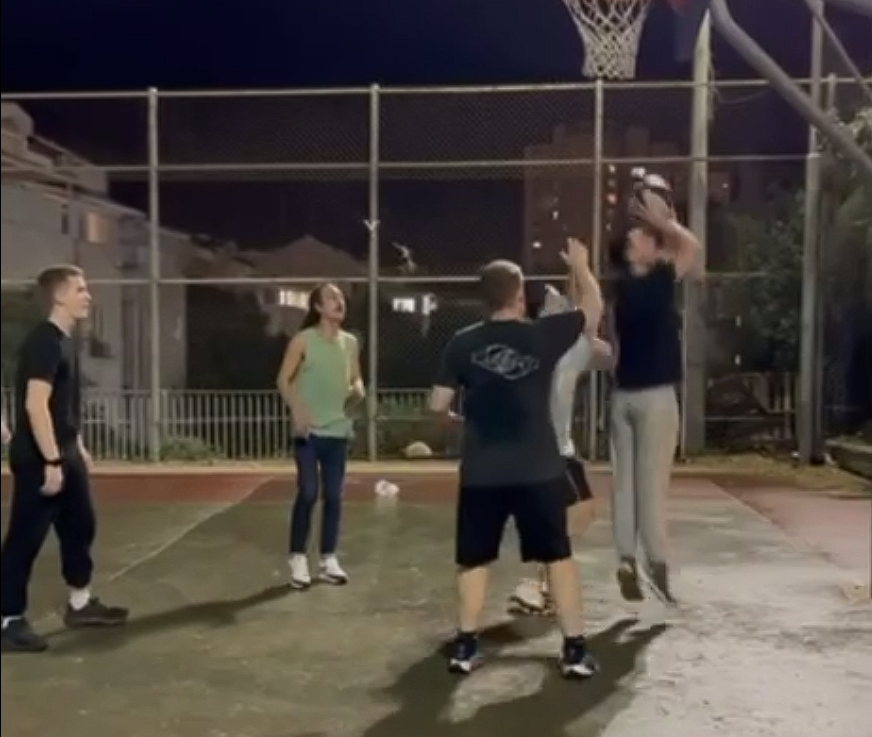
Haifa Streetball - Haifa’s Basketball Community
The non-profit organization "Young People for Haifa" believes that strengthening young people and the community happens not only through lectures and social initiatives, but also through sports, live interaction, and shared activity. From this understanding, the Haifa Streetball project was born - an open basketball community in Haifa that brings young people together through the game. What started as a small group of friends with a ball and a desire to play has gradually grown into a vibrant and active community of basketball enthusiasts in the city. The project is led by Ilya Kravchenko, who is responsible for organizing, coordinating, and developing activities both on and off the court. This is an amateur group - open and friendly - built on respect, good atmosphere, and movement. The main principle is simple: everyone plays here. The format is suitable for beginners, occasional players, and those who want to start their week with the right energy. No professional experience is required - just the желание to participate, stay active, and enjoy the game. Haifa Streetball meets every Sunday - at the start of the week - on a regular court in a convenient location with lighting available until late evening. Having a consistent meeting place creates stability, allows participants to get to know each other better, and makes the game part of a regular life rhythm. But the project is about more than just basketball. It is a space for meeting people, socializing, and building new connections. Young people from different neighborhoods of Haifa, new immigrants, and long-time residents meet on one court, communicate, and feel part of something bigger. For Youth for Haifa, Haifa Streetball is part of a broader strategy: to create an active and healthy youth community, to bring positive meaning back to public spaces, and to build an environment where young people feel a sense of belonging. Sport is a universal language. And when we start the week together on the court, we build a stronger city. Want to join? Join the Telegram group and get all the details: https://t.me/+HC0x505u2Rk0OTk0 Come on Sunday, catch the energy - and play.
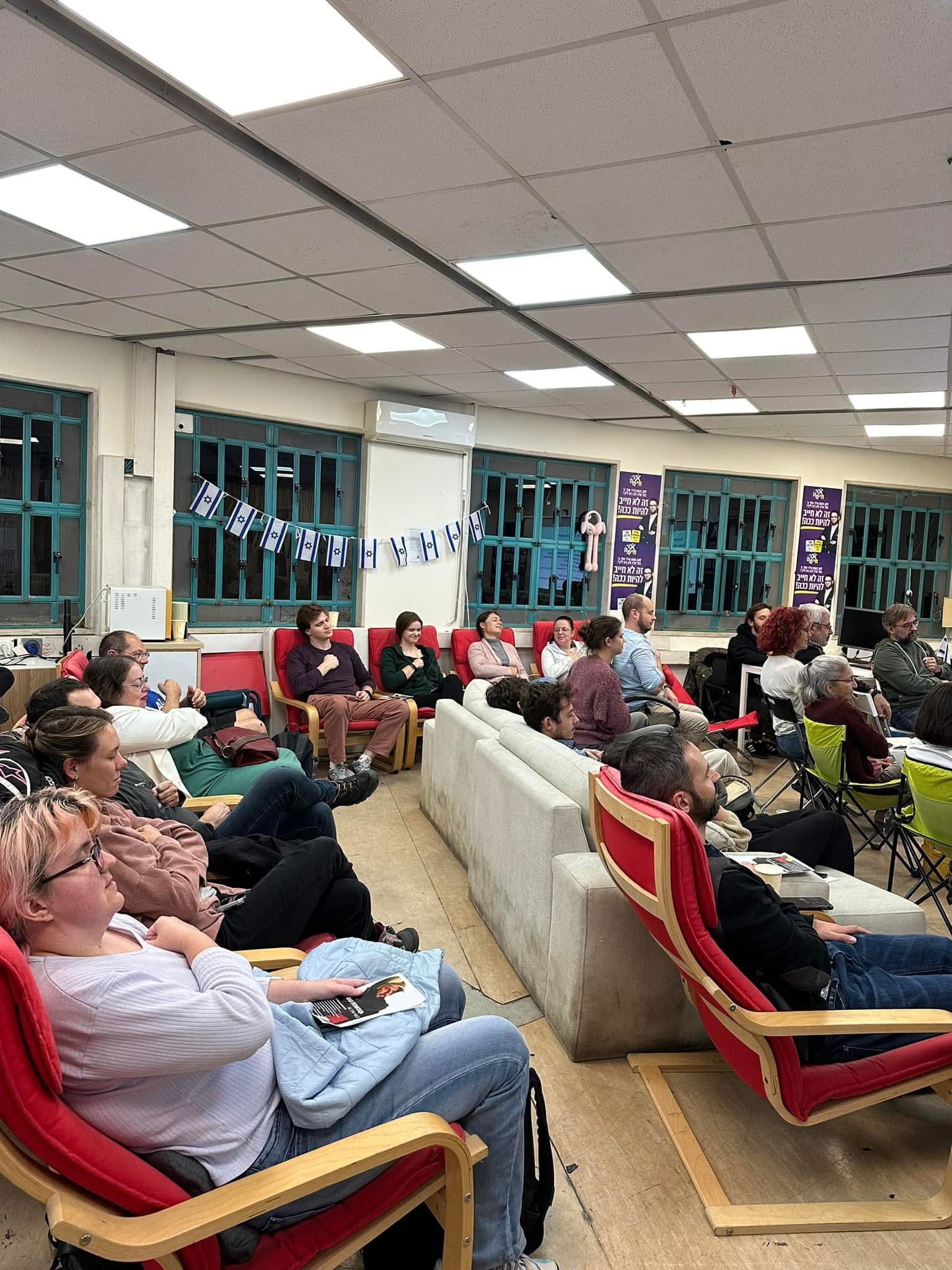
Hebrew Conversation Club for New Olims – an Initiative by the NGO "Young People for Haifa"
At the NGO "Young People for Haifa," we understand that for many new immigrants who have arrived in Haifa in recent years, Hebrew is not just a new language. It is a cultural barrier. You can live in Israel for years, finish ulpan, understand almost everything, read messages, manage daily life, and still feel awkward speaking—for example, when buying milk at the supermarket. Afraid to make mistakes, afraid of not being understood, afraid of sounding "not good enough." This fear is quiet—but deep inside. Those who haven’t experienced it cannot understand. It is precisely from this understanding that our Hebrew conversation club was born—a space where language stops being an obstacle and becomes a living, human tool for communication. The club meets every Monday at 18:30 at 4 Garav Ohana Street in Haifa. For more than a year and a half, the meetings have taken place regularly and during this time have become a true home for hundreds of participants. Each meeting gathers 15 to 40 Haifa residents, taking a small step for themselves, but a very important step toward self-confidence. The audience is lively and diverse, with most participants being new immigrants and not only them. Some have lived in Haifa for just a few months, while others have been in the country for ten or twenty years but still do not feel comfortable speaking. Among the participants are students, young professionals, parents, and people who have simply decided it is time to stop being afraid of their Hebrew and move forward. They share one goal—the desire to overcome the language barrier and feel confident on the street, at work, and even with the vegetable vendor at the Talpiot market. Each meeting focuses on a topic from everyday life: work and interviews, relationships, daily situations, Israeli culture, or even awkward moments familiar to everyone. Participants are divided into groups by level so that everyone can speak at their own pace and feel comfortable. Each group has a facilitator—a native speaker who gently guides the conversation, helps with words, and supports dialogue. But this is not a grammar lesson or a school class; it is a real, living conversation. Here you can make mistakes, pause to find the right word, laugh, and most importantly—speak without fear, because everyone is accepted as they are. Real changes happen not only during the meetings but also beyond them. People who initially only listened start to respond. Within a few weeks, they participate in discussions; within a few months, they initiate conversations themselves; and after six months, they confidently sustain discussions. This is visible: more confidence in the store, at university, at work, and in interviews. The language stops being foreign and ceases to be a barrier. But along with language, something greater happens—a community is formed. Connections, friendships, and mutual support emerge. People stop feeling alone in a new city. The conversation club becomes a space of belonging—a place where integration happens not only through language but also through life in our city. The Hebrew conversation club is much more than language practice; it is part of the vision of the NGO "Young People for Haifa"—to build a young, confident, and united Haifa. A city where new immigrants do not stay on the sidelines but become an active part of urban life. Because we are convinced: new immigrants are the future of Haifa. We continue to meet every week because we understand: sometimes a single meeting can change an entire life. Come join us—we will be glad to see you or your friends—to learn, develop, and grow together with us. Reviews of the Hebrew Club I started attending the conversational club at Harav Ohana when I was living nearby and was just beginning to learn Hebrew. Since then, I have moved to a different neighborhood… and I am still just beginning to learn Hebrew—only now it has quite firmly started learning me as well… and still, I go to the club almost every Monday. One of our facilitators once said: “לדבר עברית זה כיף” — “Speaking Hebrew is a pleasure.” Thank you to those who share this pleasure with us—the organizers and facilitators of the Harav Ohana club! A truly unique place in Haifa that not only allows new (and not only new) immigrants to practice Hebrew, but also, under the careful guidance of experienced facilitators, helps correct mistakes and explore the subtleties and “secrets” of the language that are known only to native speakers. A real “amuta” (non-profit organization) that brings together different people and gives participants the feeling that “together we are not alone.” I have been attending the conversational club with great pleasure for about a year and a half. The moderators are excellent—they gently and tactfully correct my mistakes and actively expand my vocabulary. For me, the club is an essential part of my Hebrew immersion. What I hear at the club I bring to ulpan, and what I learn at ulpan I bring back into my conversations at the club. It is also very encouraging that each meeting is dedicated to a specific topic, and that the moderators always encourage speaking and do not allow anyone to stay silent. Many thanks for such an opportunity! 🤗
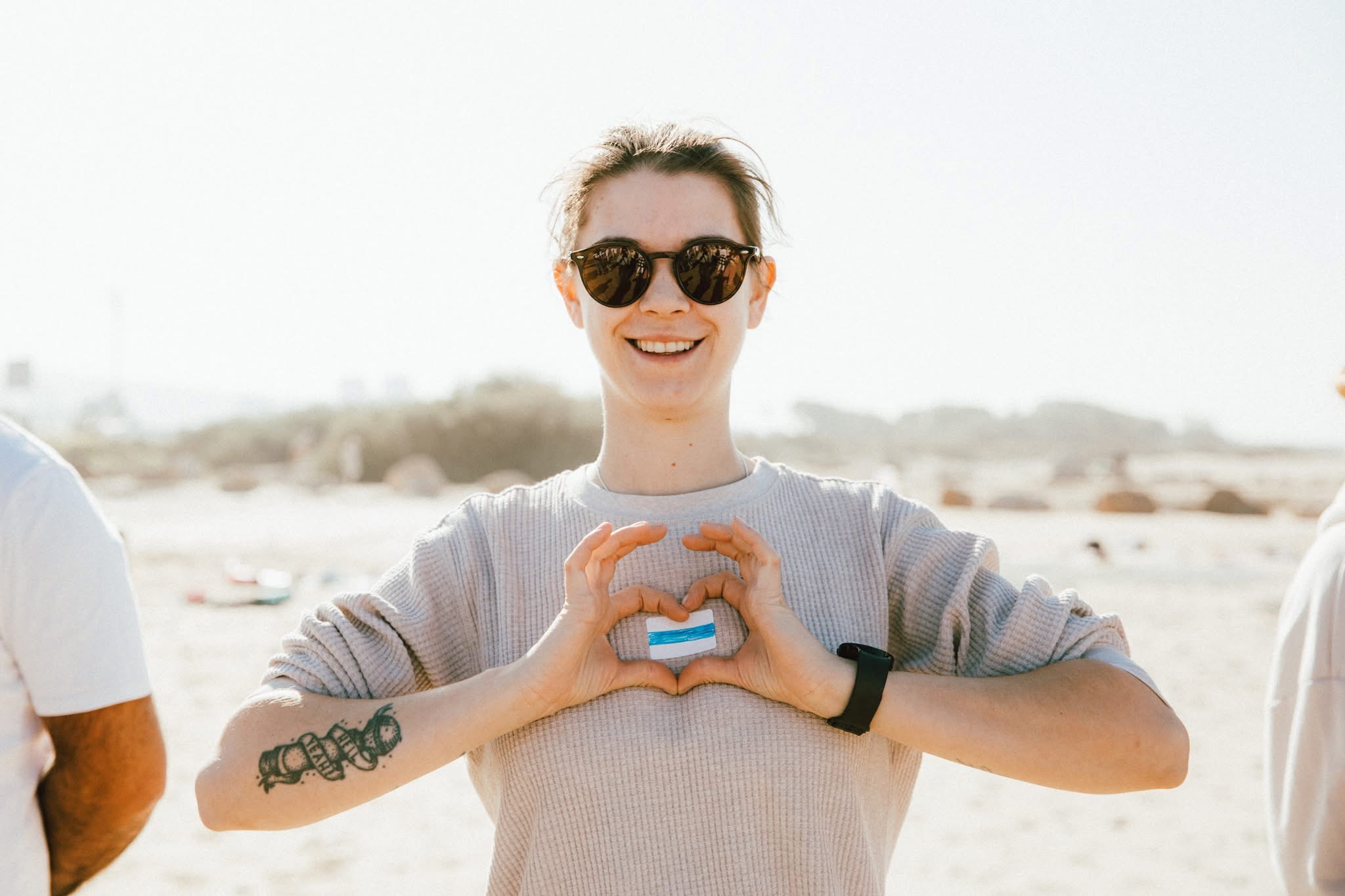
Lectures and Events in Haifa: a Community that Learns, Connects, and Grows Together
A city is not just buildings and streets; it’s the people who live in it, the conversations that start over a cup of coffee and continue after a lecture, the questions seeking answers, and the meetings that spark change within. At the NGO "Young People for Haifa," we believe that a community does not form by chance—it is built through gatherings. That is why we regularly hold lectures, meetings, and events, creating a living space where people can learn, reflect, debate, explore topics, and, most importantly, feel part of something bigger. Our lectures take place at the organization’s office at Garav Ohana 4 in Haifa. Each event gathers 30 to 100 city residents. But it’s not about the numbers; it’s about the energy. People come not just to listen and leave. They stay to socialize, ask questions, exchange contacts, find like-minded individuals, and sometimes encounter those with different perspectives who make them see a topic in a new light. This is how a real community emerges. We host one to four lectures per month, inviting speakers who truly add value: professors, journalists, military representatives, entrepreneurs, politicians, bloggers, civic activists, and leading specialists in their fields. The topics are chosen deliberately—they reflect the real questions and concerns of Haifa’s youth and new immigrants: the history of Israel and understanding the country you live in; integration and adaptation; psychology and emotional resilience; Holocaust memory and historical heritage; career and professional development; relationships and social connections; politics and public processes; culture and identity; personal skills development—communication, public speaking, self-confidence. These gatherings provide not only knowledge but also confidence. Understanding the context helps people feel part of the city and society. When there is understanding, a sense of belonging arises. In addition to lectures, we regularly host holiday and cultural events: Hanukkah, Purim, Rosh Hashanah, Independence Day, New Year (Sylvester), and communal viewings of Eurovision. Sometimes these are small, intimate gatherings; other times, large and vibrant events. But it is always a space where people can meet, connect, and spend time together. For many young people and new immigrants, this is where their first friends are made, first connections are formed, and they realize that Haifa is not just a city—it’s home. Our goal is not merely to fill a calendar with events. We create an environment where young people can grow, develop, and feel supported. Lectures provide knowledge. Events create connections. Community gives a sense of home. And when there is a sense of home, young people stay, invest in the city, and help build its future. Because a strong Haifa is not just beautiful scenery and academic institutions. A strong Haifa is a city where people know each other, talk, learn, and together shape a shared future.
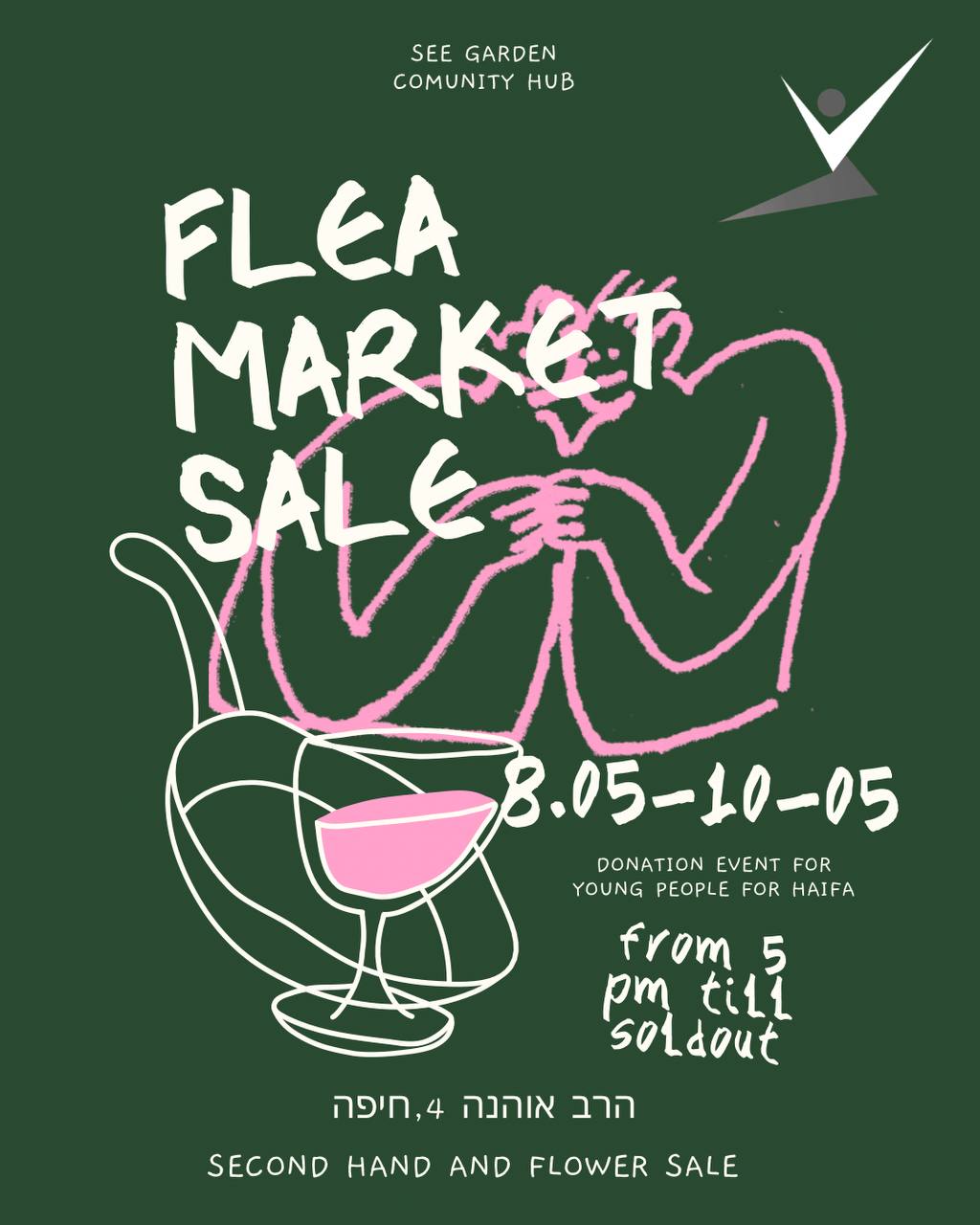
SEE GARDEN: Urban development in the hands of community
At Young People for Haifa, we love our city. Some of us were born and raised here, while for others, Haifa has become a new home. But we are all united by one thing - the desire to see the city vibrant, modern, safe, and comfortable for people. That is why one of the core values of our organization is participation in urban development and support for the principles of a modern city: a city that is open to people, encourages public initiatives, cultural life, and business activity. As a youth nonprofit organization, we understand especially well how important the young community is for the development of a city. It is young people who create new centers of attraction, launch local initiatives, shape the cultural environment, and bring life into neighborhoods. We strongly believe that when a city gains spaces where people can meet, communicate, relax, create projects, and share ideas - the entire city benefits. This is confirmed both by international examples of gentrification and by the successful changes taking place in Haifa itself. The revitalization of Downtown Haifa and the development of the Sirkin Street area have shown how community life, small businesses, and new urban spaces can literally transform the atmosphere of entire neighborhoods. It was from this vision that SEE GARDEN was born - an open community hub with a place for everyone. Here, we listen to music, discuss ideas, work on projects, organize charity events, and simply spend time together. But for us, SEE GARDEN is not only a comfortable space for meetings and recreation. We see this project as part of the broader development of the Talpiot Market area and, in particular, the intersection of Rav Ohana and Rav Markus streets - the space directly beneath Sirkin Street. Step by step, we are helping create a more comfortable, safe, and vibrant urban environment even in those small corners of the city that are not always reached by major municipal projects. We do this because we believe that every corner of the city matters. And any place can become someone’s favorite if people who truly care invest attention, care, and love into it. We invite all our friends and supporters to SEE GARDEN - let’s make Haifa better together through a strong youth community.
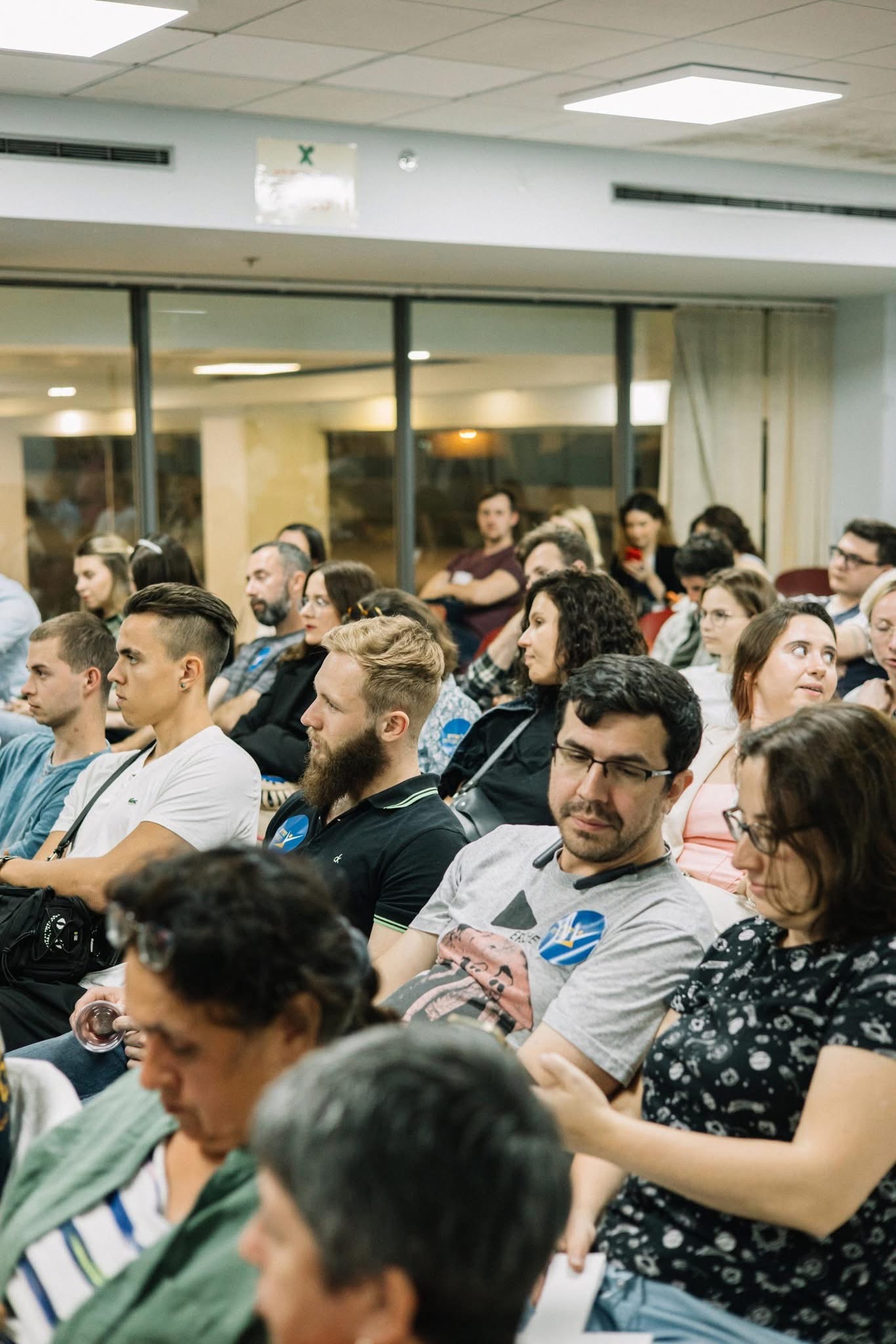
Speaking English Without Fear – an Educational Project by the NGO "Young People for Haifa"
At the NGO "Young People for Haifa," we understand that when someone moves to Israel, attention naturally focuses on Hebrew. Work, documents, studies, everyday life—everything requires adaptation to a new language. But in this process, another, less obvious thing happens: English, which was once confident and active, gradually moves to the background. Words are forgotten, confidence decreases, and a language that used to be a tool for opportunities becomes passive knowledge. At a time when English is the language of careers, high-tech, academia, and the global world, many people begin to feel shy about speaking. That’s why we created the English conversation club at the NGO "Young People for Haifa"—a space where English becomes a living, free, and confident tool for communication again. The club meets every Sunday at 6:30 PM at 4 Garav Ohana Street in Haifa and has been an integral part of our community for over a year and a half. Each session brings together 10 to 20 Haifa residents—young professionals, students, new immigrants, and local residents—who understand how important English is for their future. The reason people come is simple: English is the language of opportunity. Job interviews, university studies, work in international companies, traveling abroad, professional networking—all of this requires confidence in the language. But without regular practice, even those who once knew English well begin to hesitate, lose confidence, and avoid speaking. Our club provides exactly what is often missing: live, regular, and supportive practice. Each session is led by a professional English and Chinese language teacher—a native speaker with extensive experience working with different skill levels. Classes are based on prepared topics, diverse formats, and activities, making the meetings structured and professional, yet lively and dynamic. This is not a school lesson or an exam class; it’s a space where participants can speak freely, experiment, make mistakes, and grow. The club is open to all levels—from beginners to fluent speakers who want to maintain their English. Everyone finds their own pace and space. What happens after a few months? Confidence returns. Participants start speaking more easily and freely, and the fear of searching for words disappears. The tension that builds up when a language hasn’t been used for a long time gradually fades. English stops being a memory from school and becomes a real tool for work and life again. This shows in fluency, creativity, and readiness to engage in conversation without hesitation. But, as with the Hebrew conversation club, something more than just language learning happens here: a community is formed. People meet, exchange ideas, build connections, and feel a sense of belonging. The club becomes not only an educational space but also a part of the city’s social life. The English conversation club is part of the broader vision of the NGO "Young People for Haifa": to build a young, self-confident, and globally connected community. We believe that language is not just vocabulary—it’s freedom, opportunity, and self-assurance. And sometimes, it all begins with one Sunday evening meeting. Come join us. We’ll be happy to see you or your friends—speaking, learning, and opening new doors to the future together.
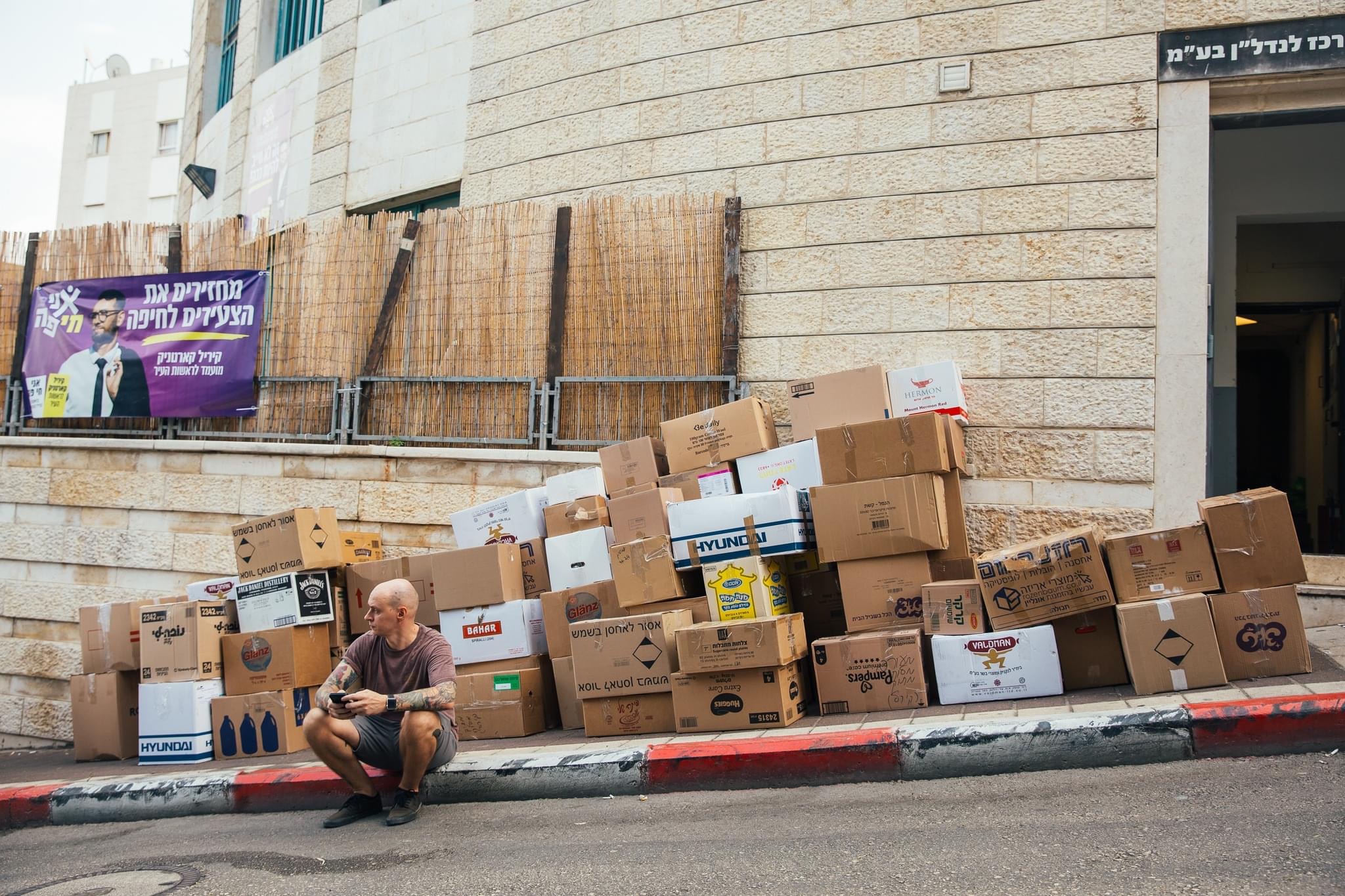
The “Goodness Warehouse” of the NGO "Young People for Haifa" – a place where items gain new meaning and people receive real support
At the NGO "Young People for Haifa," we believe that true help comes from the heart. Sometimes help is a simple dish, sometimes a warm blanket, a coat, or an ordinary kettle. Everyday items that are no longer needed by one person can become the first step toward a new life for another. It was this understanding that gave rise to the “Goods Warehouse” project. The project began with small, deeply human requests. Residents approached us asking to provide items to new immigrants who had just arrived in Haifa and were starting their lives from scratch, or to people in difficult circumstances. Some lacked basic kitchenware, others didn’t have pillows, and in some cases, families of new immigrants moved into completely empty apartments—without warm clothing or essential household items. Initially, we organized one-time yard sales to connect those who had things to give with those in need. But it quickly became clear: the need doesn’t disappear after one event—it exists every day. Thus, the "Goods Warehouse" was born—a space of mutual aid, social responsibility, and sustainable consumption. The warehouse operates regularly twice a week at the organization’s office at 4 Garav Ohana Street in Haifa—on Sundays from 5:00 to 7:00 PM and on Thursdays from 1:30 to 3:00 PM. On these days, dozens of people come: new immigrants and families in need, setting up their homes, as well as local residents choosing conscious consumption and the reuse of resources. Young people, elderly individuals, and families come, each with their own story, but all share one understanding: a community is built through mutual support. At the warehouse, one can find clothing, shoes, kitchenware, bedding, blankets, household items, and many other essentials. The inventory is constantly updated thanks to residents who donate items in good condition—with respect for those who will use them next. We deliberately accept only items that are truly usable—because real help always comes with respect. Items not suitable for use are sent for recycling through specialized facilities, ensuring environmental responsibility. For new immigrants and those in need, the warehouse is free—they can take everything they need at no cost. For others, a voluntary donation system applies: each person decides if and how much they wish to contribute. This creates a living system in which everyone can be both a giver and a recipient. Since its inception, the "Goods Warehouse" has assisted dozens of families and individuals during the most critical moments of their lives. People moving into empty apartments found basic items here, allowing them to start a new life with dignity and less stress: plates, bedding, warm clothing, and more. Sometimes help is a simple solution; sometimes it’s simply the ability to have a peaceful dinner at home—because you have your own plate. The "Goods Warehouse" is much more than a storage place. It is a space of trust, solidarity, and a culture of mutual support. Here, items are not thrown away—they continue to serve people. A community is formed that understands: an unused resource can become a blessing for someone else. For the NGO "Young People for Haifa," this project is part of a broader vision: to build a connected and supportive community in the city, where people help one another and understand that real strength begins with mutual responsibility. Because a strong city is not just buildings and roads—a strong city is its people, ready to share and support each other.
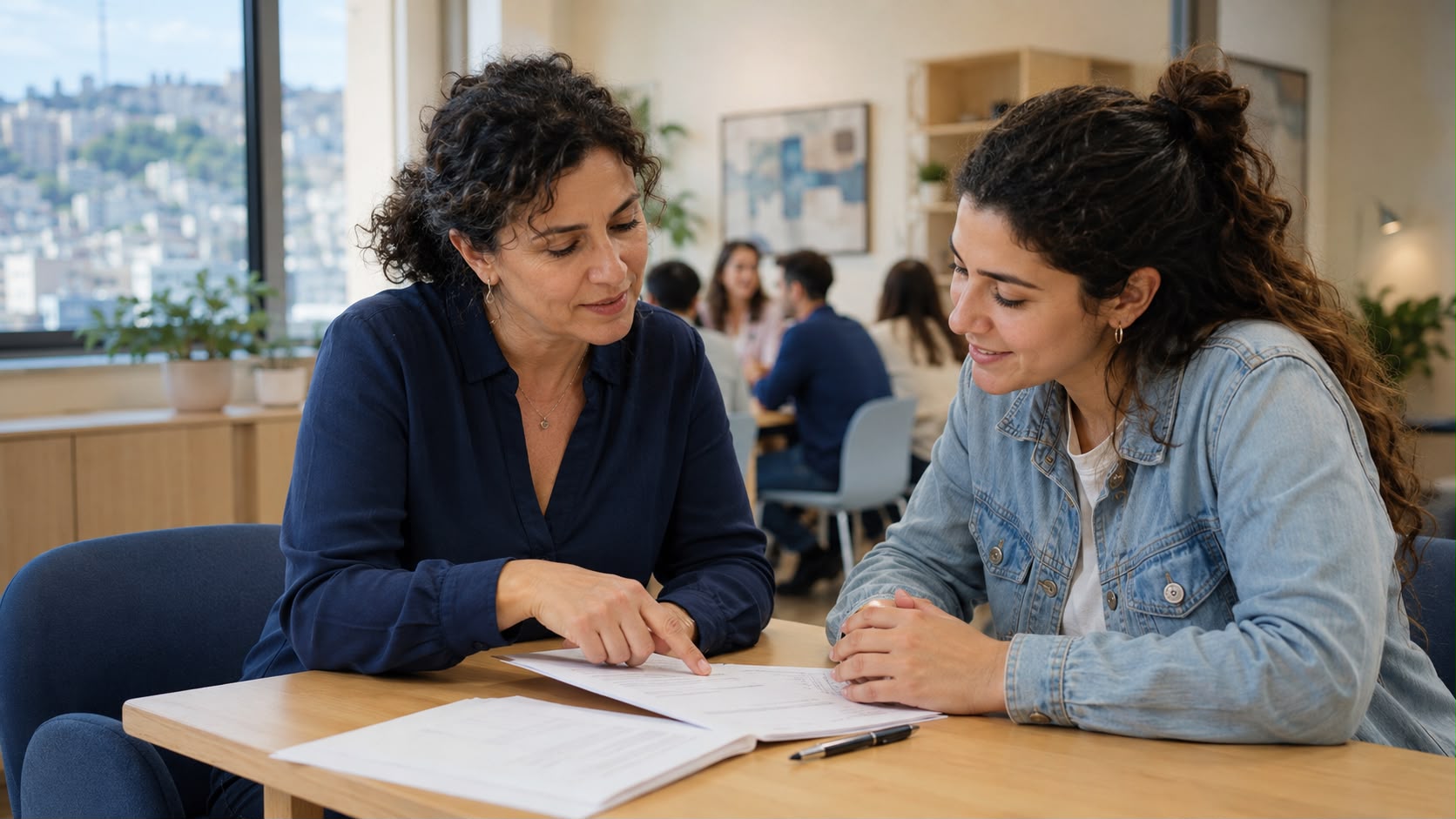
⚖️ The Right to Know: A Project for Rights Accessibility and Community Legal Guidance
We at the NGO "Young People for Haifa" meet dozens of people every week. Some come to our community coworking space, some participate in lectures and events, some are new immigrants making their first steps in Israel, and some are young people at the beginning of their professional and personal journeys trying to build a future here. Over the years, we have discovered a phenomenon that repeats itself time and again. Sometimes, a person is fired from their job and does not know whether their employer acted according to the law. Sometimes, a family receives a letter from Bituah Leumi (National Insurance Institute) and cannot understand what exactly is required of them. Sometimes, a new immigrant signs a lease agreement without fully understanding the implications of the clauses they signed. Sometimes, a young person at their first job does not know what rights they are entitled to. Sometimes, a small business owner receives a payment demand, a fine, or a legal letter and does not know how to act. And in most cases, the problem is not injustice. The problem is a lack of knowledge. Many people simply do not know what their rights are, whom to turn to, what options are available to them, and what the first step they need to take is. For new immigrants, young people starting out, and young families, this information gap can become a real obstacle. Sometimes, unfamiliarity with the system creates a sense of helplessness, even when the law is actually on their side. We believe that knowing your rights is an integral part of being able to integrate into society, build personal confidence, and take control of your life. Out of this understanding, "The Right to Know" project was born. 🎓 Young People Starting Out Need Guidance One of the main audiences that the NGO "Young People for Haifa" works for is young people at the beginning of their journey. The transition to the adult world brings quite a few challenges: a first job, a first lease agreement, opening a business, studying, dealing with authorities, institutions, and various bodies. Time and again, young people find themselves in complex situations without understanding what their rights are or whom they can turn to for a reliable answer. Sometimes it involves wages that were not paid in full. Sometimes a problematic employment contract. Sometimes a dispute with a landlord. Sometimes dealing with academic institutions. And sometimes simply an official letter that no one knows how to read. When there is no experience and no guidance, even a small problem can quickly turn into stress, uncertainty, and sometimes even financial damage. Precisely because of this, we believe that making legal knowledge accessible is an integral part of empowering young people and providing tools for a more independent and secure life. 🌍 New Immigrants Do Not Have to Deal with it Alone For new immigrants, the challenge is even more complex. Moving to a new country brings a new language, new laws, a new culture, and systems that are not always easy to understand. Many immigrants are required to deal with employment contracts, lease agreements, Bituah Leumi, rights facing authorities, absorption procedures, and official documents—sometimes even before they have managed to learn the language and get to know the system. We believe that no one should feel alone in the face of bureaucracy. Just as we work to promote the social and professional integration of new immigrants, it is equally important to us to help them understand their rights and receive reliable, accessible information. 💡 Sometimes One Conversation Can Change Everything We believe that not every problem has to start in court. Sometimes all a person needs is to sit down with a professional, ask the right questions, and get a clear explanation in simple language. One conversation can prevent an expensive mistake. One conversation can help a person realize they are entitled to rights they didn't know about. One conversation can give the confidence to act instead of remaining in uncertainty. One conversation can make the difference between confusion and making the right decision. This is exactly why we set up the project. 🤝 Knowledge Passed from Person to Person "The Right to Know" project is based on mutual responsibility and community volunteering. The lawyers and professionals taking part in the initiative dedicate their time and experience for the benefit of the community, out of the belief that every person deserves to receive reliable, accessible, and clear information. Just as other volunteers assist in social projects, accompany new immigrants, distribute equipment to the needy, or contribute to the community in other ways—here too, professional knowledge becomes a tool for giving and mutual aid. We believe that a strong community is a community where people share not only time and resources, but also knowledge and experience. 📋 How Does the Project Work? Once every two weeks, a special community consultation day takes place at the community center of the NGO "Young People for Haifa," in cooperation with volunteer lawyers and professionals. Meetings are held by prior registration only and allow each participant to receive initial guidance regarding the legal or bureaucratic issue they are facing. The goal is not to replace a law firm or a full legal proceeding. The goal is to: ✔ Bring order to the situation ✔ Explain ✔ Guide ✔ Provide reliable initial information ✔ Give people the tools to make the right decisions 👥 Who is the Project For? The project is open to all residents of Haifa and the surrounding area who need initial guidance, and especially: Young people starting out Students New immigrants Young families Salaried employees Freelancers and small business owners Residents dealing with authorities and public bodies We believe that knowing your rights is not a privilege. It is a basic right. ⚖️ On Which Topics Can You Receive Guidance? 💼 Employee Rights and Labor Law Were you fired? Were you summoned to a hearing (shimo'a)? Were you not paid your full salary? Not sure what you are entitled to regarding pension, vacation, or severance pay (pitzuim)? As part of the project, you can receive initial guidance on work issues and employee rights. 🏛 Bituah Leumi and the Realization of Rights Many people lose out on rights simply because they do not know the system. As part of the project, you can receive guidance on: Unemployment Disability Allowances and stipends Medical committees Loss of earning capacity Understanding documents and notices received from Bituah Leumi 📝 Contracts and Agreements Did you receive a lease agreement? Are you being asked to sign an agreement? Are you hesitant before engaging with a professional? Before signing, it is important to understand exactly what you are signing. As part of the project, you can receive initial guidance to understand contracts, commitments, and rights. 🚗 Traffic Law A traffic ticket, points, fines, or a summons to court can be stressful events. As part of the project, you can receive initial guidance to understand the situation and the options available to you. 🇮🇱 Victims of Hostile Actions and War In recent years, more and more families have found themselves dealing with bodily injury, property damage, and procedures facing state authorities. The project allows participants to receive initial guidance regarding the rights and procedures available in these cases. 🌱 Part of a Broader Vision The NGO "Young People for Haifa," founded by Kirill Karetnik, a member of the Haifa City Council, was born out of a simple understanding: Haifa cannot afford to lose its younger generation. The organization works to strengthen young people, new immigrants, and communities in the city by creating real opportunities for growth, integration, and belonging. We operate a wide range of projects in the fields of community, volunteering, education, culture, employment, and absorption, based on the concept that a strong community is built when people help one another and generate solutions from the ground up. For us, making rights accessible is not just a community service. It is a tool for empowering young people, strengthening new immigrants, and building a community where people know how to stand up for their rights, make informed decisions, and feel more secure in front of the systems around them. "The Right to Know" project is a natural continuation of that very concept. Because a strong community is not just a place where people meet. A strong community is a place where people know they have someone to turn to when they need help, when they don't know what to do, and when they need someone to show them the way. 📍 Activity Details 📍 Young People for Haifa Center – 4 Rav Ohana St., Haifa 📅 Once every two weeks 📝 By prior registration only 💙 Free of charge ⚖️ Number of spots is limited for each session ⚠️ Important to Know The information and guidance provided within the framework of the project do not constitute legal advice, a legal opinion, or legal representation. The purpose of the project is to provide initial guidance and information accessibility only. If necessary, participants will be directed to receive individual professional advice. 💙 Because Knowledge is Power The strength of a community is measured not only by the number of people living in it, but also by their ability to help one another. Sometimes all it takes is one person who listens, explains, and guides you to the next step. Sometimes all it takes is understanding your rights to make the right decision and change your reality. This is exactly why we established "The Right to Know." Because no one should have to face a system they don't know all by themselves.
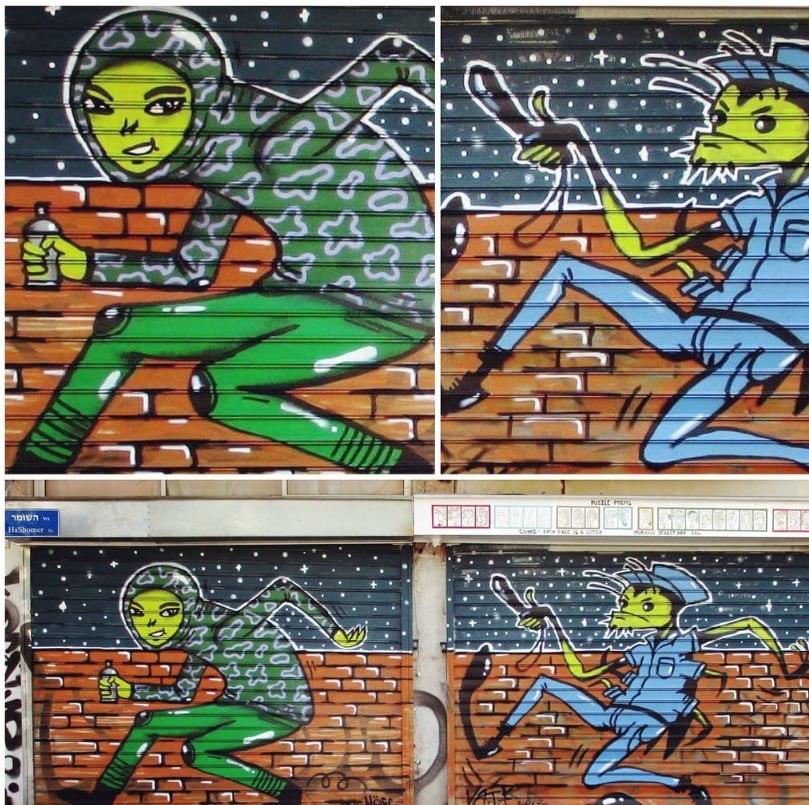
🎨 Color in the City - Community street art connecting youth, creativity, and the urban space
Some cities are recognized by their buildings. Some cities are recognized by their people. And some cities are recognized by the story they tell through their streets. The “Young People for Haifa” NGO believes that a modern city isn't built solely on roads, buildings, and infrastructure. A living city is also built through culture, creativity, local identity, and the active involvement of young people in the public sphere. From this vision, the “Color in the City” project was born—a community initiative aimed at transforming gray walls, neglected facades, and lifeless urban spaces into works of art that bring color, interest, and character to the city. 🏙️ A Young City Should Look Young We believe that Haifa needs to look like a young, creative, and modern city. Many young adults returning from trips, studies, or work in cities like Barcelona, Berlin, Kyiv, Amsterdam, and other spots across Europe are exposed to vibrant urban spaces full of color, art, and creation. Quality street art has long become an integral part of the identity of modern cities: It attracts tourists. It strengthens communities. It generates interest. It breathes new life into the urban environment. We want to see Haifa develop in this direction as well—not out of a desire to copy other cities, but out of a wish to give our city a young, modern, and inspiring character. 🎨 Every Wall Can Become a Work of Art We look at the city a little differently: We see a neglected wall—and see potential. We see a gray passage—and see an open gallery. We see an old facade—and see an opportunity to create. Sometimes a few colors, a good idea, and a talented artist can completely change the feel of a place. Not only for the person who created the piece, but for everyone who passes by that wall every single day. 🤝 Connecting Artists with the Community The project provides a platform for young artists, local creators, students, graffiti enthusiasts, and street artists who want to leave a positive mark on the city. Through collaborations with residents, business owners, property owners, and local communities, we create spaces where art becomes a natural part of the neighborhood and of daily life. We believe creativity should step out of the galleries and onto the street, accessible to everyone. ✅ Responsible and Legal Street Art It is important for us to emphasize: The goal of this project is not to encourage illegal graffiti. On the contrary—we promote legal, responsible, and respectful street art only. Every activity within the project takes place exclusively in approved locations, fully coordinated and in cooperation with property owners, local businesses, and relevant authorities. We believe it's possible to give artists a real canvas without damaging the public space—bringing color into the city while maintaining order, cleanliness, and respect for the environment. 🖌️ Have a Wall? Let’s Create Something Special On It! One of the most important aspects of the project is collaborating with the city's residents. If you own an exterior wall, a building facade, a public passage, a commercial area, or an urban space you’d like to upgrade—we’d love to hear from you. Together, we’ll explore how to turn the space into an artwork that contributes to the surroundings, improves the area’s appearance, and gives it a unique character. We are particularly looking for: Large walls in public spaces Building facades Walls in commercial centers Public passageways Community spaces Urban areas targeted for visual improvement If you have a space like this, we invite you to get in touch. Maybe the next wall transformed into an urban artwork will be yours! 🎓 Education, Creativity, and Responsibility As part of the project, we will also host: Graffiti and street art workshops Community creation sessions Collaborative painting days Lectures on urban culture Meet-and-greets with local street artists Instruction in painting and design techniques Equally important, we will teach responsibility. The workshops will address how to create street art that contributes to the city, how to work legally and respectfully, and how creativity can serve as a tool for improving public space. 🌍 Strengthening Haifa Through Creativity The “Color in the City” project is part of the broader vision of the “Young People for Haifa” NGO to strengthen the bond between young people and their city. We want to see young people who don't just live in Haifa, but actively shape it—not just using public spaces, but improving them; not just talking about change, but creating it with their own hands. 💙 Because Every Wall Has a Story to Tell We believe every neighborhood can become an open gallery. Every wall can become a point of interest. And every creation can become a bridge connecting people. Because a city that believes in its youth gives them a space to create. And a city that makes room for creativity becomes a city where people want to live. 🎨 Color in the City Brightening Haifa through community, creativity, and responsibility. 📍 Got a wall, facade, or space that needs new life? 📩 Contact the “Young People for Haifa” NGO—and maybe our next project will start right at your place!