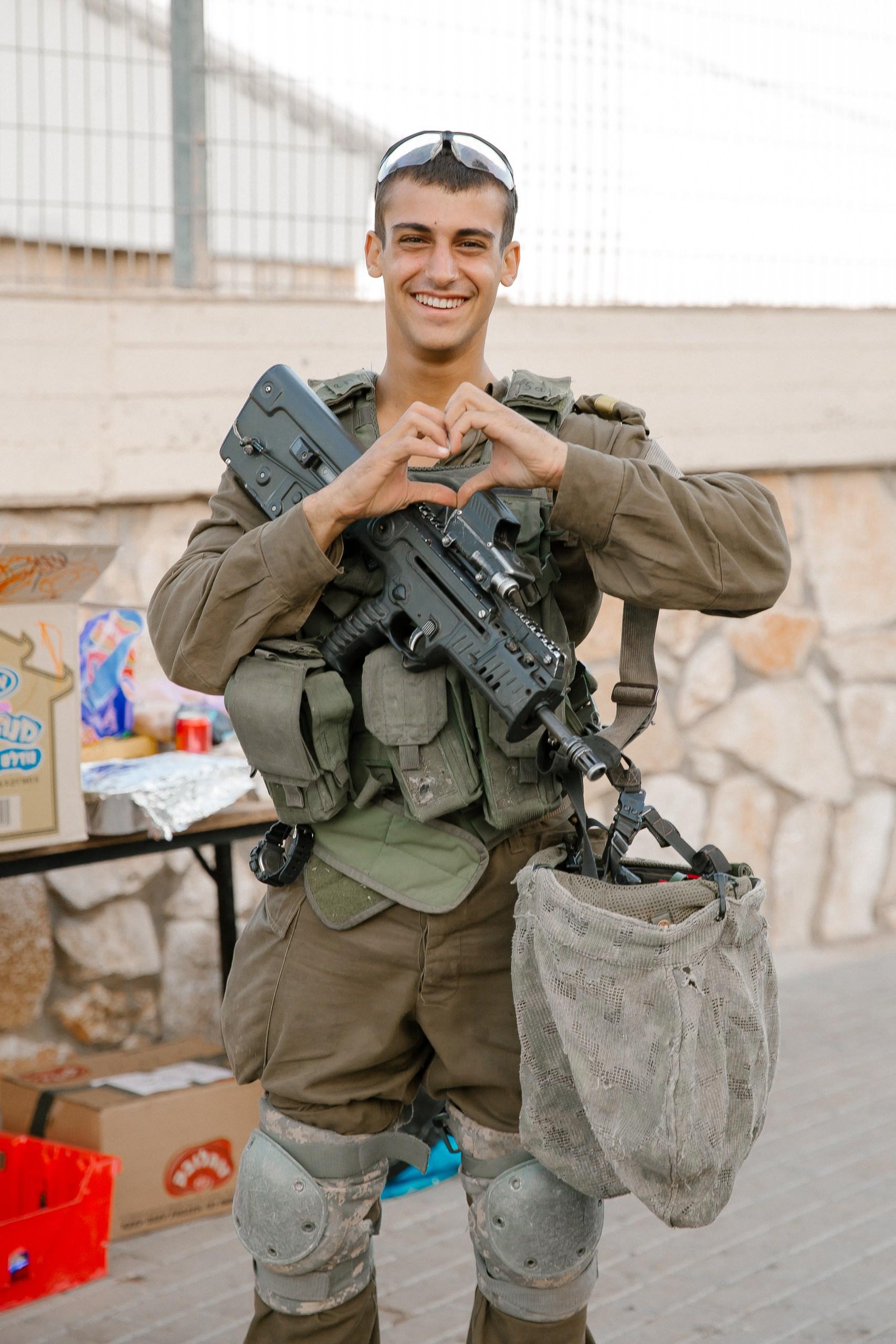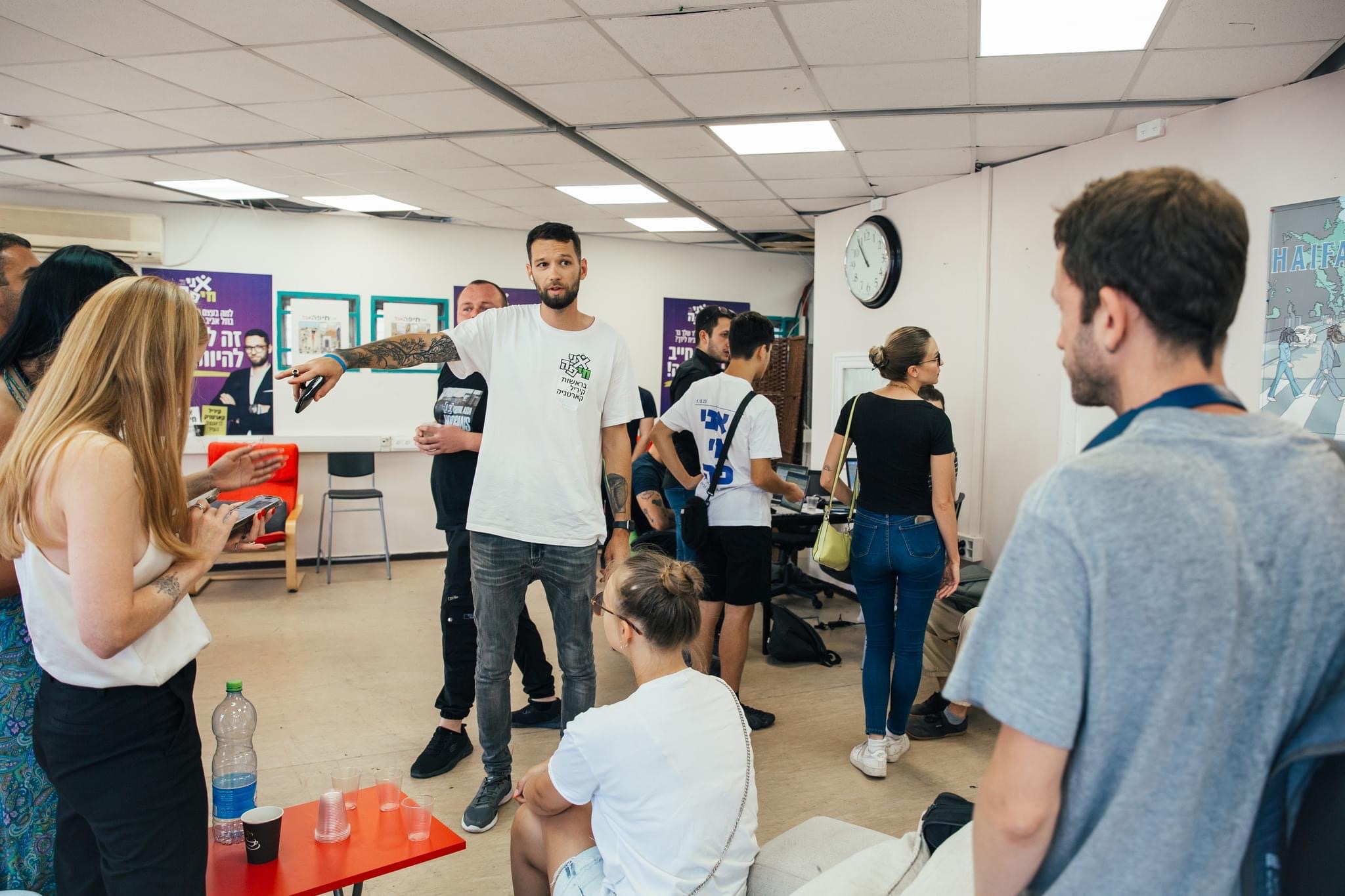
When the war began, Haifa — like the rest of Israel — was plunged into deep anxiety and uncertainty. In those first chaotic and shocking hours, hundreds of residents asked the same question: “How can we help?” Young People for Haifa did not wait for instructions “from above.” Within just a few hours, a full-scale civilian operations center was established, quickly becoming one of the key coordination hubs in the city and across northern Israel. Work continued around the clock — for soldiers, their families, and the residents of the city.
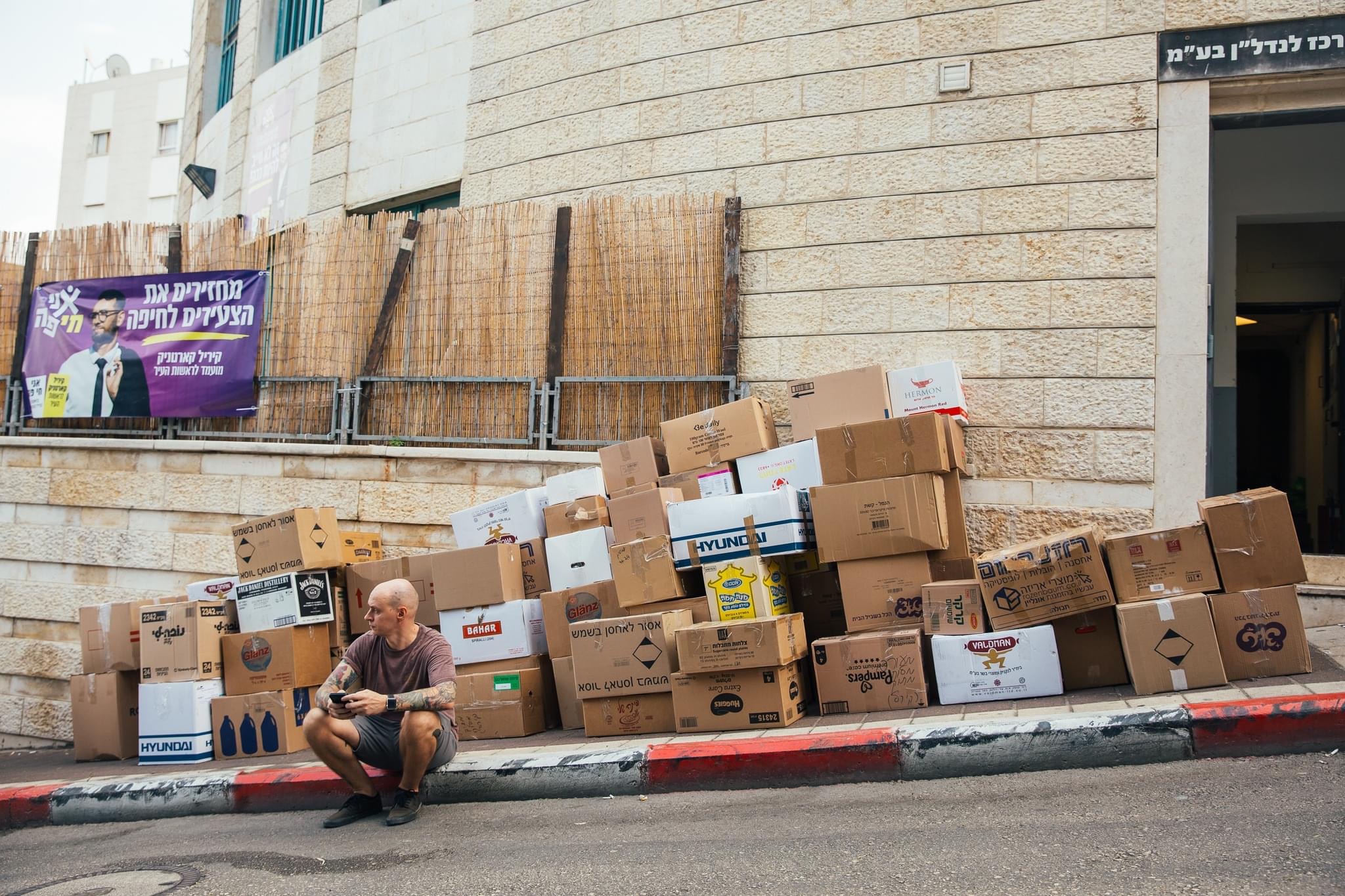
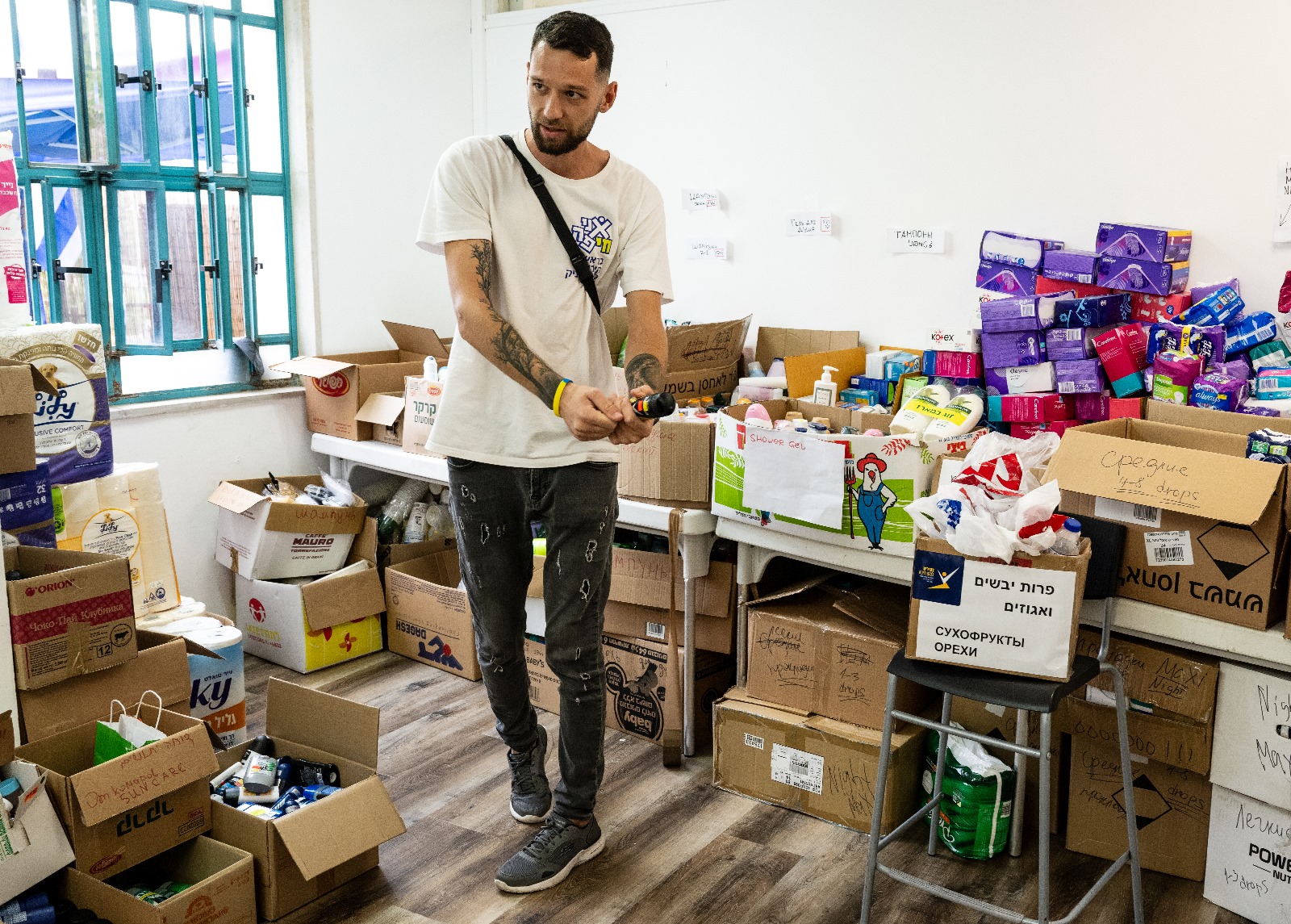
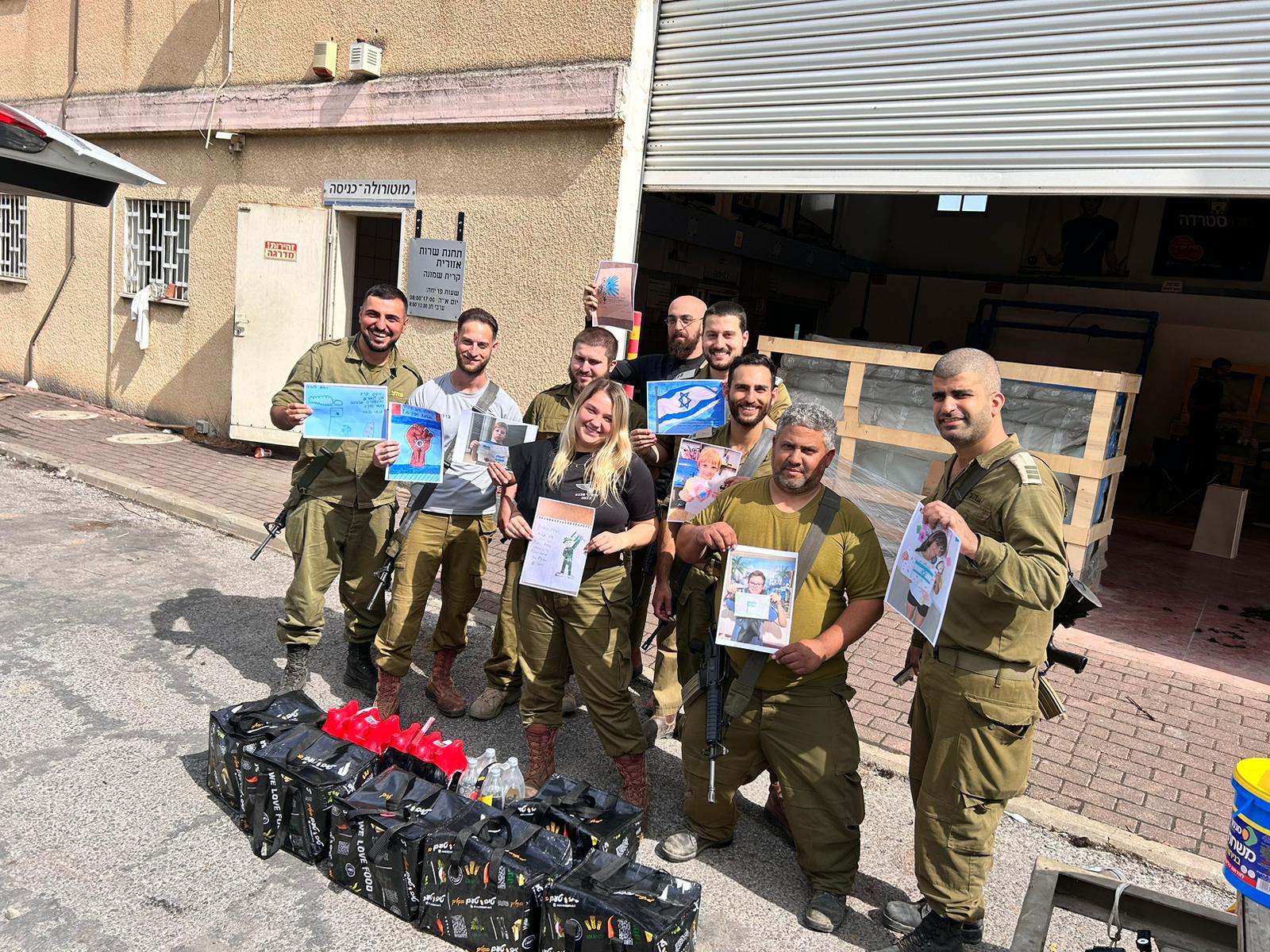
In a very short time, around 1,100 volunteers and approximately 100 drivers were mobilized within an organized logistics system. The facility at 4 Garav Ohana Street in Haifa became a living hub for collecting, sorting, packing, and dispatching aid. Boxes were stacked one after another, tactical equipment was carefully distributed, warm clothing was packed, hygiene supplies and first aid kits were assembled as requested, and dry rations were loaded into vehicles that repeatedly set out to military bases across the country. During this period, hundreds of deliveries were made to dozens of combat units in the north and south, and the total number of soldiers and family members who received support exceeded 70,000.
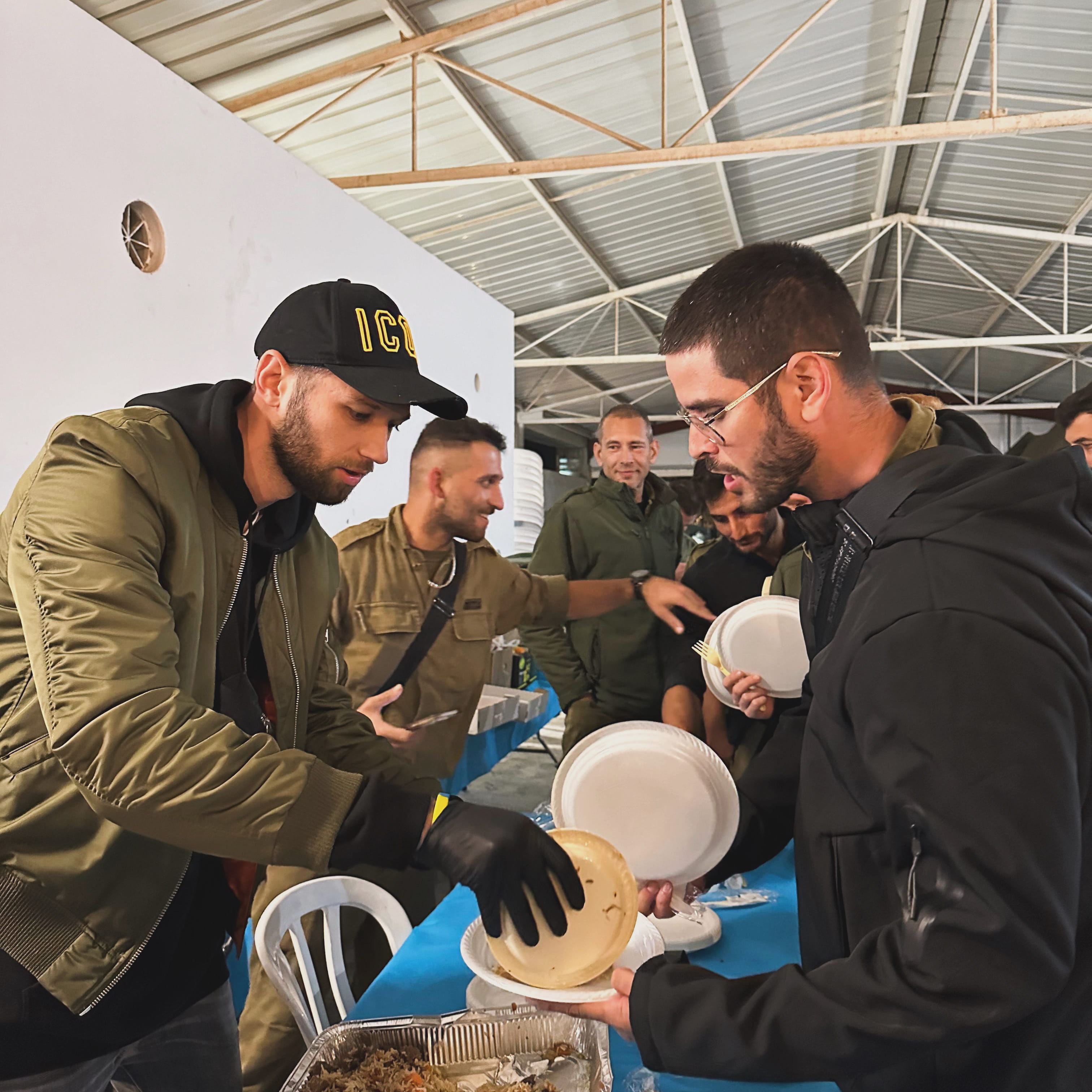
The volume of collected and distributed equipment reached tens of thousands of items: thousands of winter clothing pieces, hygiene products, basic medical supplies, food, and additional logistical equipment directed strictly according to real needs. Thousands of hot meals were delivered to soldiers, and specialized equipment was quickly sent to units reporting shortages. Each dispatch was coordinated directly with commanders and unit representatives to ensure the aid was precise, effective, and timely.
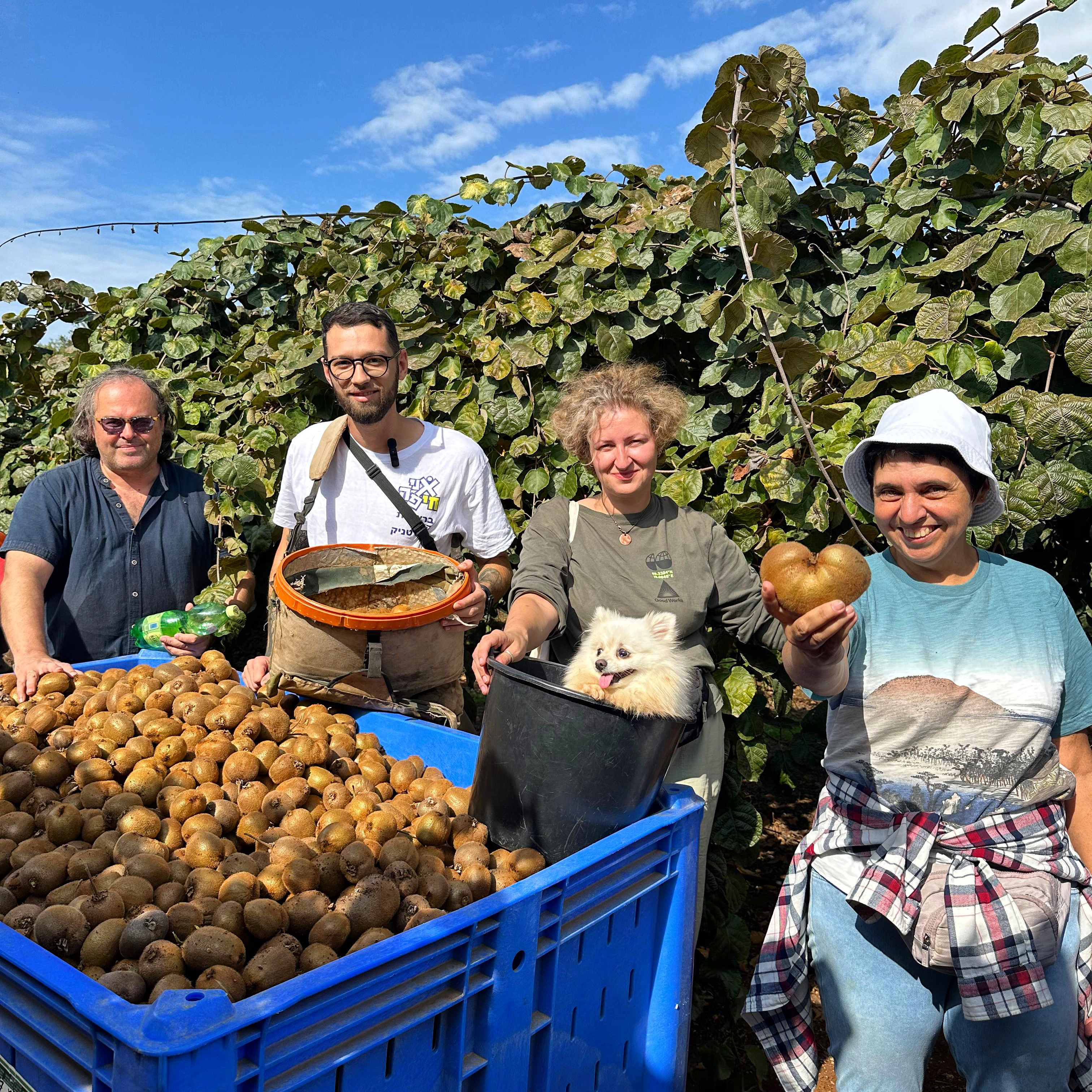
In parallel with support for the military, a civilian assistance system was established within the city itself. Hundreds of families in Haifa — families of mobilized soldiers, single parents, and residents facing difficult circumstances — received the necessary support. Volunteers worked in public shelters, conducted nightly rounds, delivered water and basic supplies, and ensured that no resident was left unattended. Additionally, volunteer groups were organized daily to assist farmers experiencing labor shortages, creating a tangible link between the civilian home front and the country’s agricultural sector.
This large-scale operation was coordinated by Young People for Haifa under the leadership of Kirill Karetnik, with a focus on calm, systematic, and efficient work. Without flashy statements or headlines — just daily organized efforts: collect, sort, load, deliver, unload, and start over again. The connection between volunteers, local businesses, and residents created a strong network of mutual support, strengthening the sense of community and responsibility even in the most difficult moments.
The “Iron Swords” war demonstrated that Young People for Haifa is not just a community organization, but a living civic infrastructure capable of rapid mobilization, city- and nation-wide operations, and providing real aid to tens of thousands of people. Over 70,000 soldiers assisted, hundreds of volunteers working nonstop, thousands of hours of effort — these are not just numbers. They are proof of the strength of a united community that takes responsibility and acts.